The Framework Bank
A living library of 100+ multidisciplinary strategic frameworks.
Shared freely because great thinking grows when it circulates. Check out Medium for more.
-
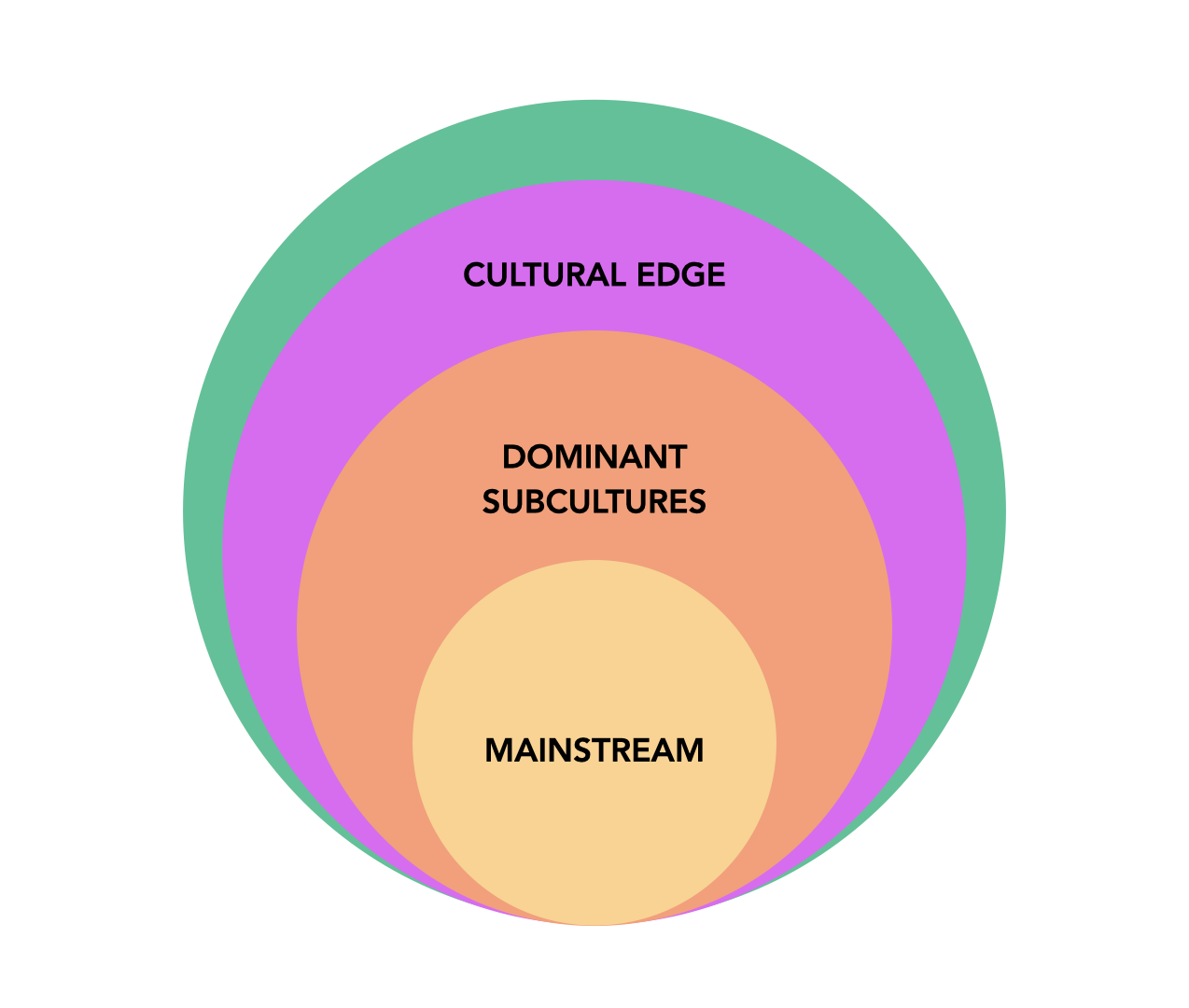
How Trends Form
This concentric circles framework on how trends become part of mainstream culture explains why studying and applying trends can help businesses make decisions ahead of competitors to create relevance with consumers. Over time, the cultural edge shifts inward, becoming the new mainstream position. As product development and brand planning run on long-term cycles, trends can inspire innovation and positions that meet tomorrow’s dominant demands.
-
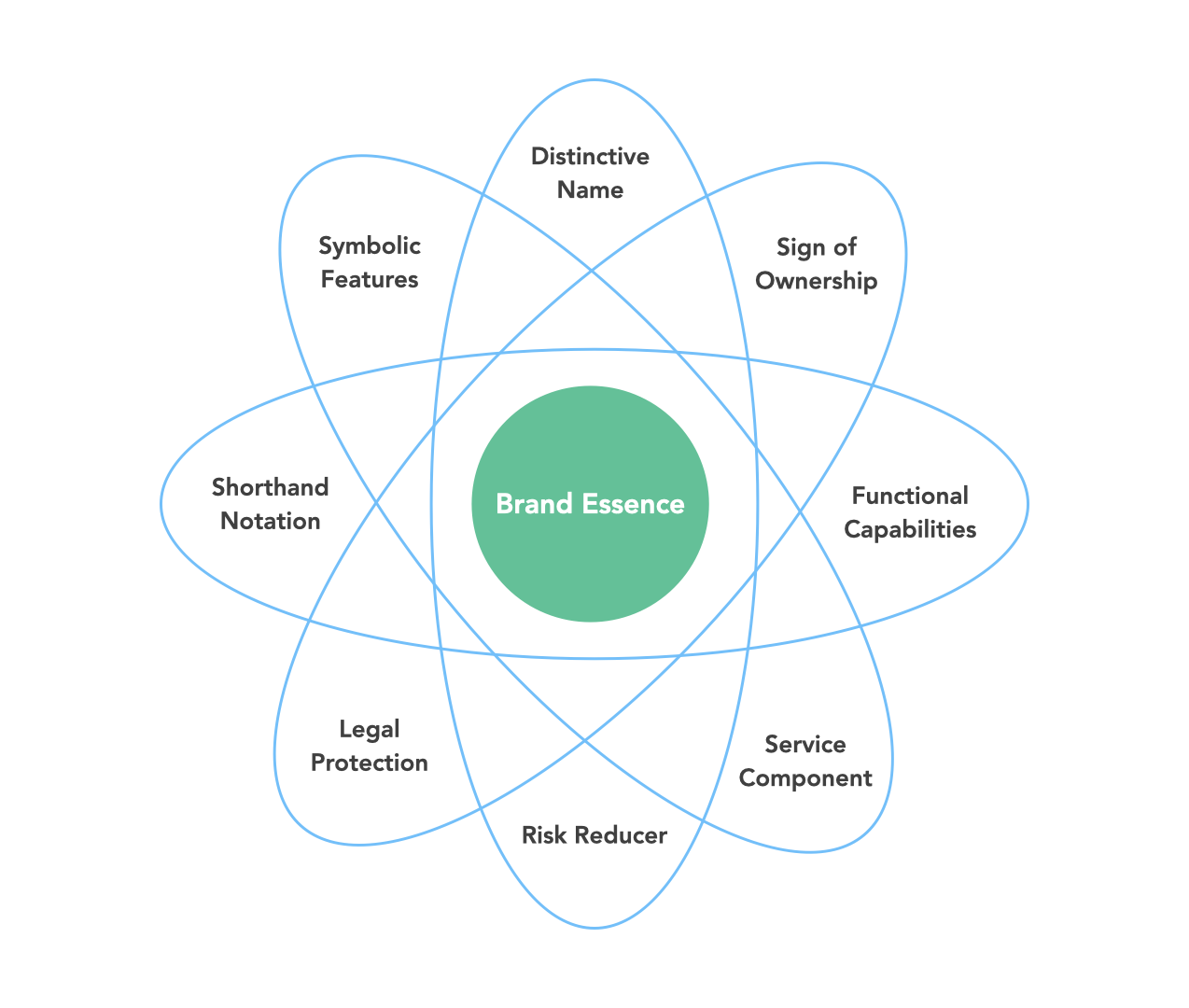
The Atomic Brand
This model is best applied when demonstrating that the brand goes well beyond communications, signifying its role as a strong, multi-faceted intangible asset on a balance sheet. To create a powerful brand that maintains its cumulative value over time, it is important to consider the brand as an investment across all its benefits, including the more operational and financial elements of its role in risk reduction, service expectations, legal protections, and signs of ownership
-
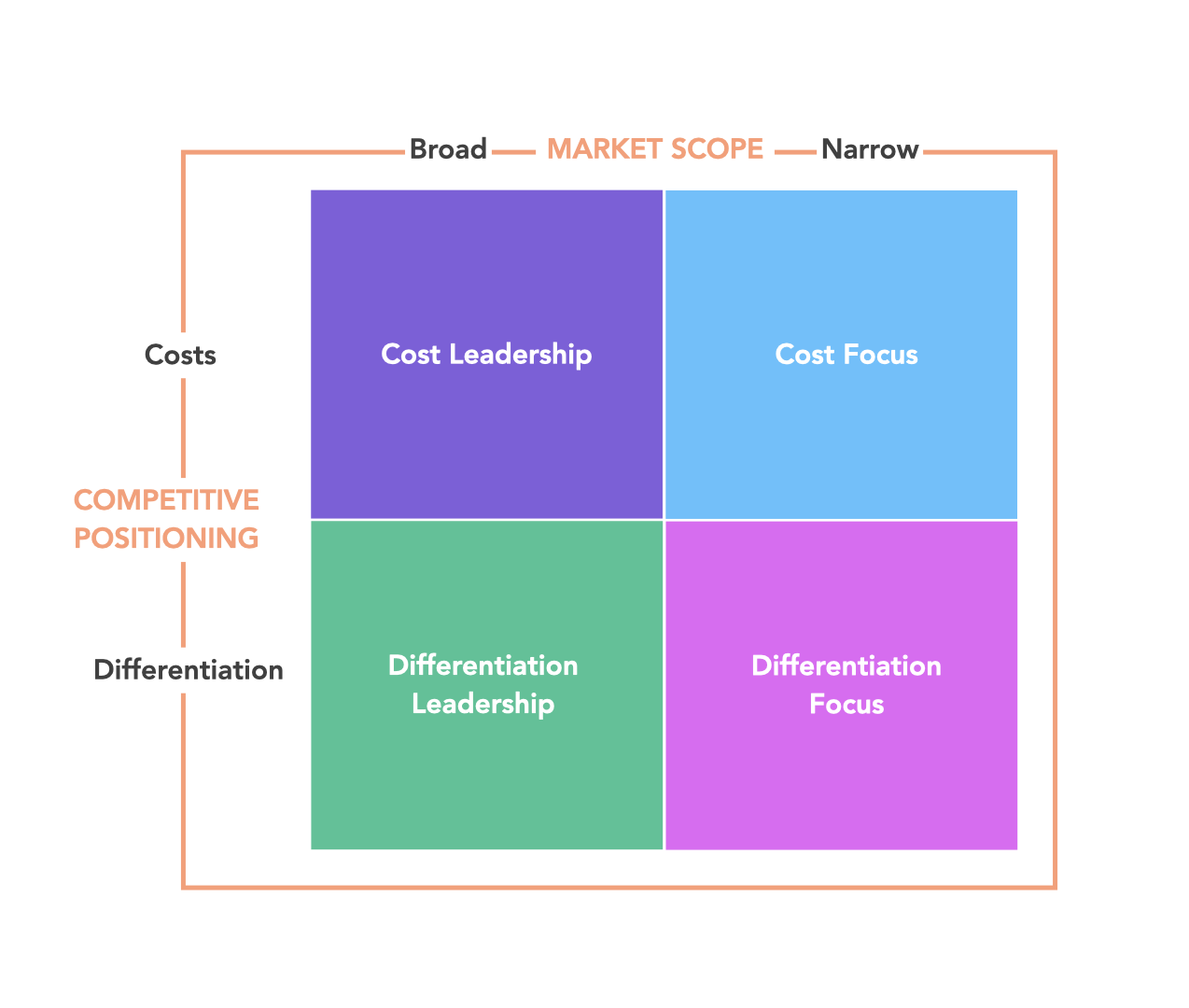
Porter's Generic Strategies
This Michael Porter framework shows how competitive advantage is primarily pursued by being cheaper than everyone else (cost leadership), being the cheapest within a specific niche (cost focus), commanding a premium through brand, innovation, or experience (differentiation leadership), or being uniquely valuable to a clearly defined audience (differentiation focus). Everything else is just stuck in the middle and unlikely to win. This framework is useful for early-stage companies to define their competitive edge and brand positioning, be honest about their strategy and portfolio, and make growth decisions to expand a business into new areas without dilution.
-
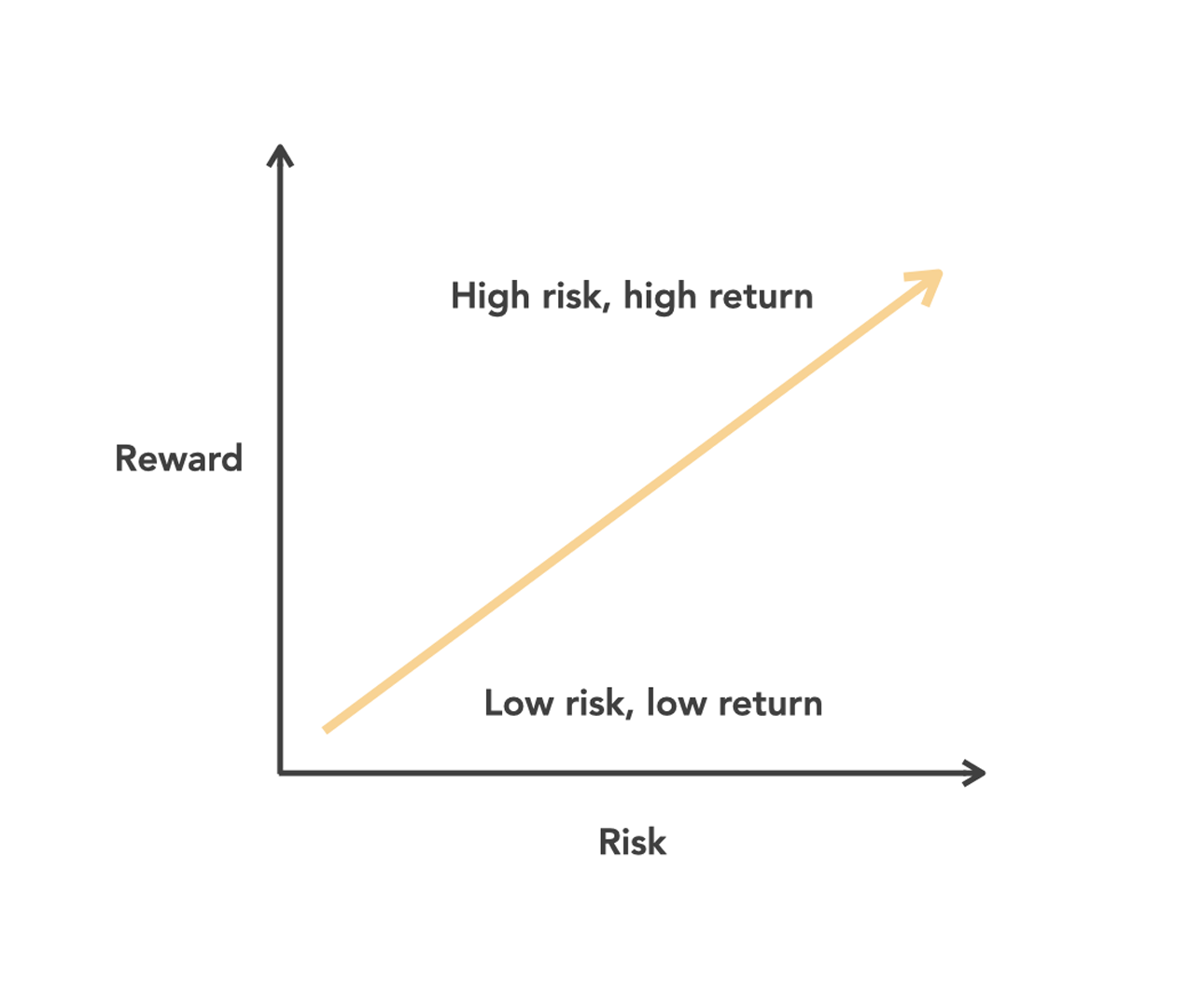
Risk Reward Tradeoff
This is not so much a framework as a foundational economic and financial principle, one that entrepreneurs know quite well. I share this because it should serve as a mantra of sorts, reminding us that greater uncertainty can yield greater (or no) reward. And also, if you take on more risk, you should consider taking on more compensation for that risk. Don’t settle for boring, and don’t be shortchanged when you are bold!
-
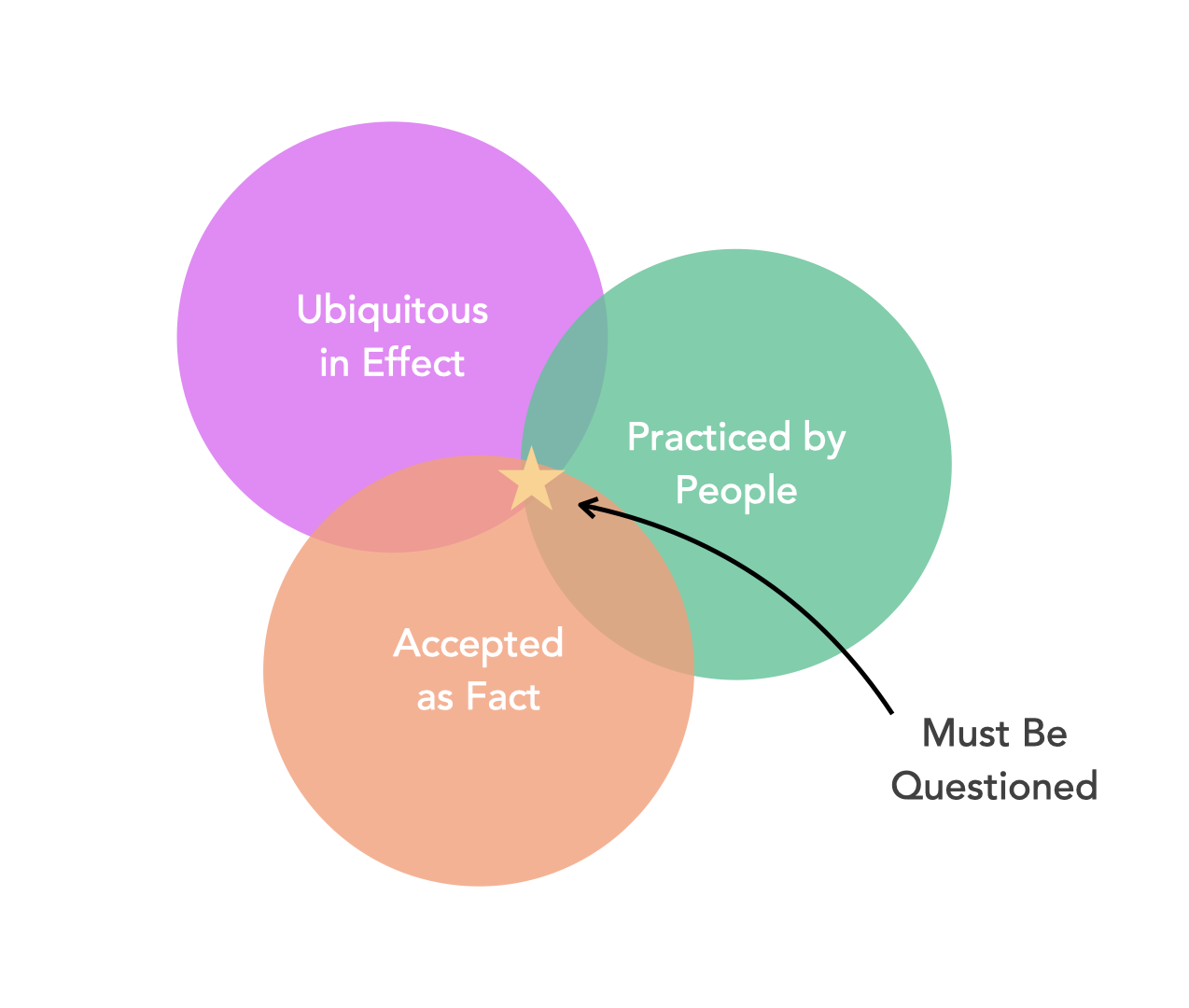
Must Be Questioned
This framework is for sparking unconventional thinking. And while it’s not-so-serious to apply, that is kind of the point — to poke conventional thinking in the eye. In the era of too much information, we should constantly ask when ubiquitously accepted facts become a course of habit — are they right or important?
-
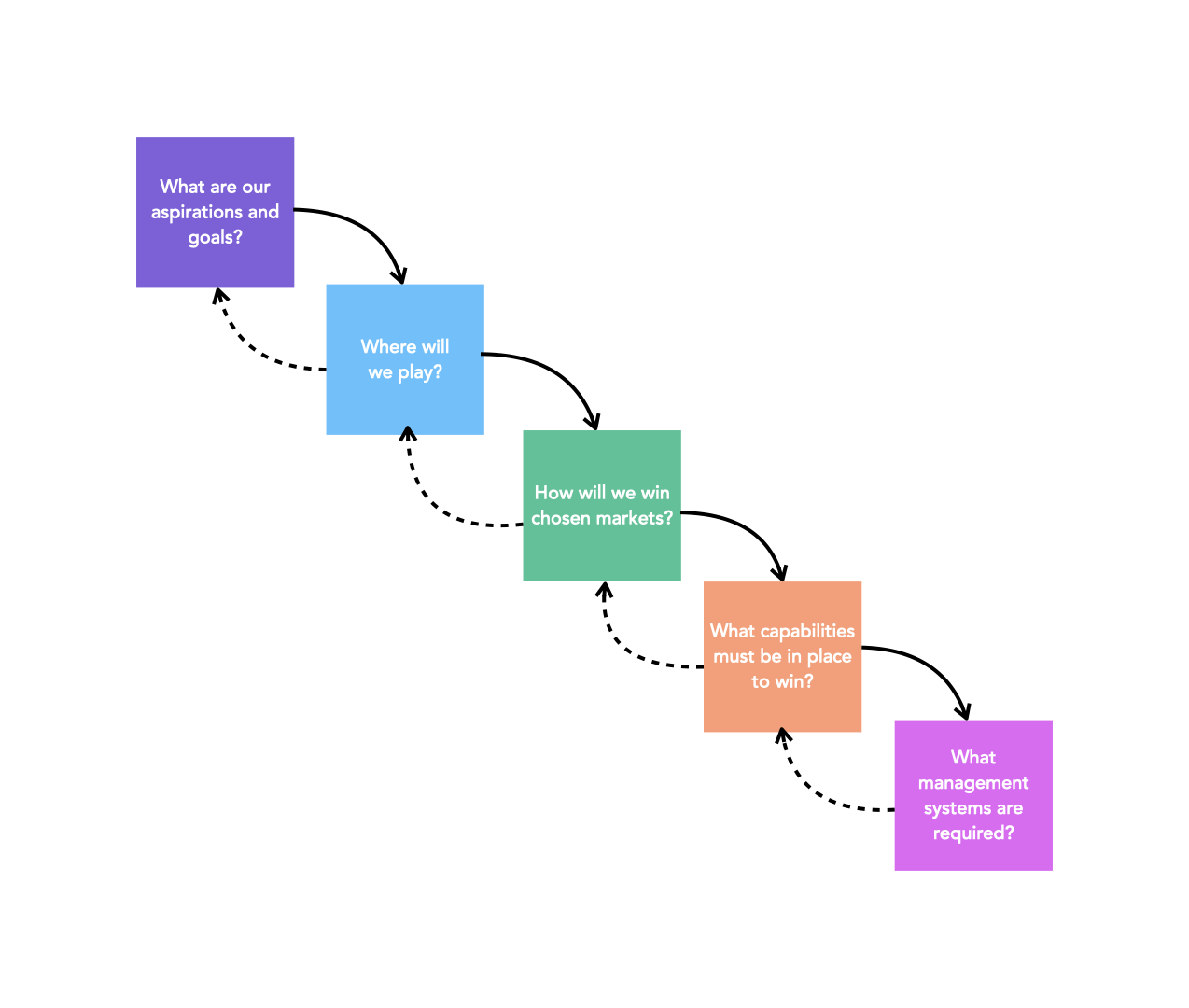
Where to Play, How To Win
This model is called the Strategic Choice Cascade and is built on the premise that strategy is a series of choices. To simplify strategic definition from the outset, the authors defined 5 key questions to take you from ambition into a go-to-market strategy that can be operationalized. The structure relies on the integration of answering these key questions together, and if one can answer a follow-on question, it may mean going back and revising what decision and answer came before. This framework is useful for the early days of marketing planning.
-
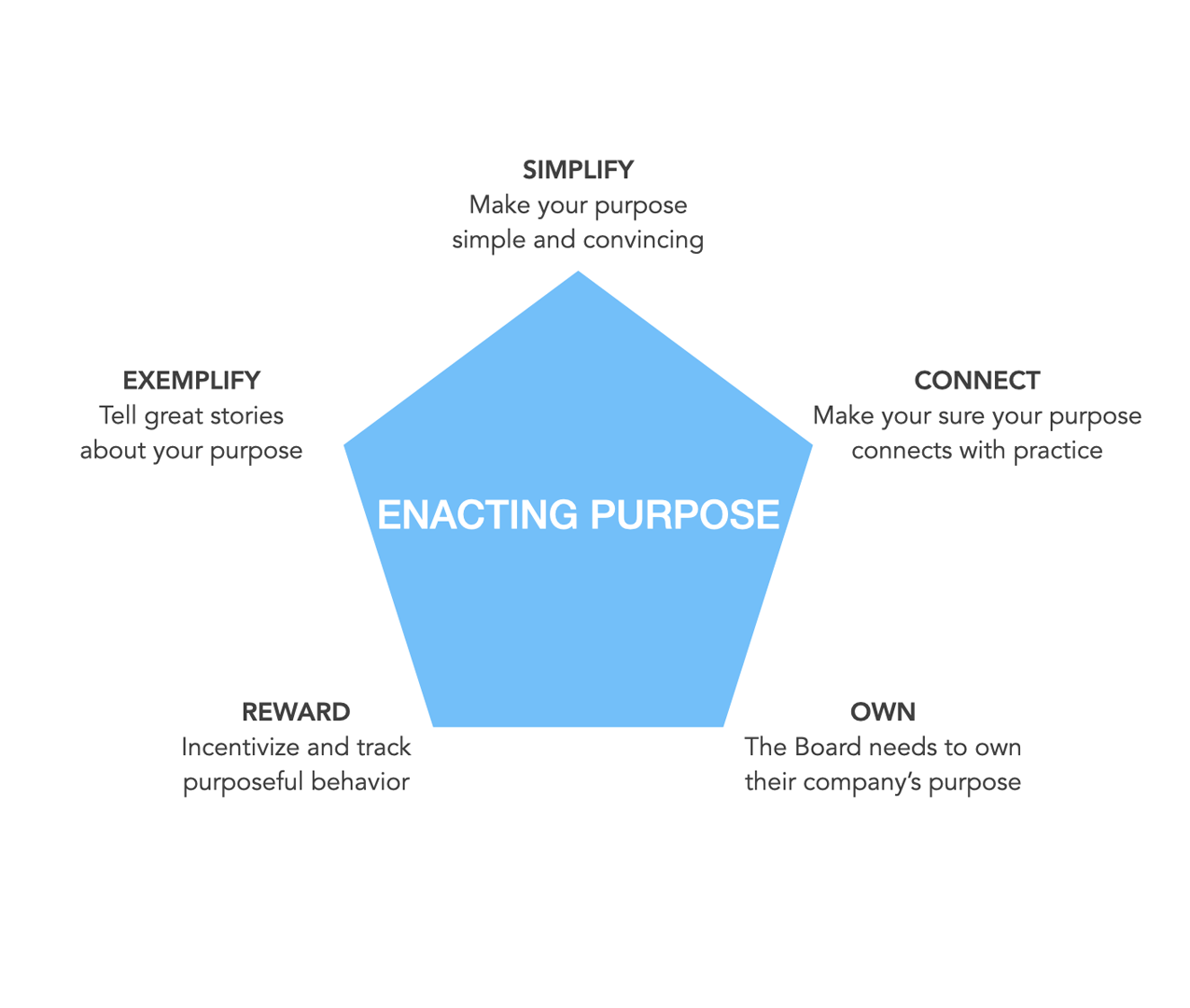
SCORE for Enduring Purpose
At the height of purpose-driven branding, many companies made bold claims about existing beyond profit without acting accordingly. The SCORE framework exists to combat this by linking purpose to action. Writing down a memorable rallying cry is not enough; it must connect to practice, be adopted by the Board, and be acted on at every level of the organization. Rewarding and incentivizing behaviors that support purpose is one way to ensure teams live up to it. Only then is a brand in a position to tell credible stories about purpose.
-
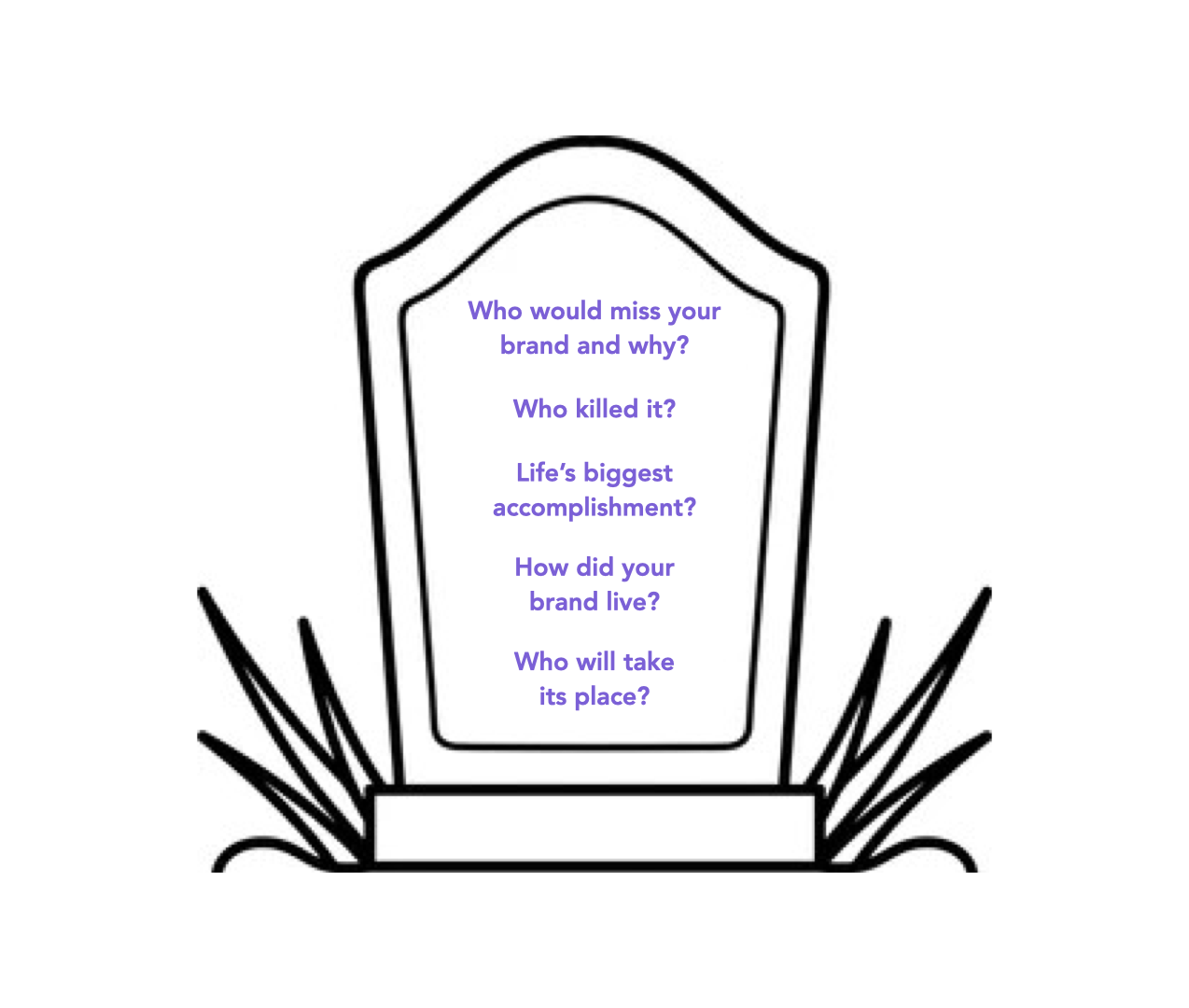
The Brand Obituary
This is a morbidly wonderful projective technique for playing with what people think of your brand - after all, brands are built in the mind. By framing your brand posthumously, you are able to get working session participants thinking less rationally, which is a bit more like consumers. Plus, isn’t it fun to kill your brand just for a meeting.
-
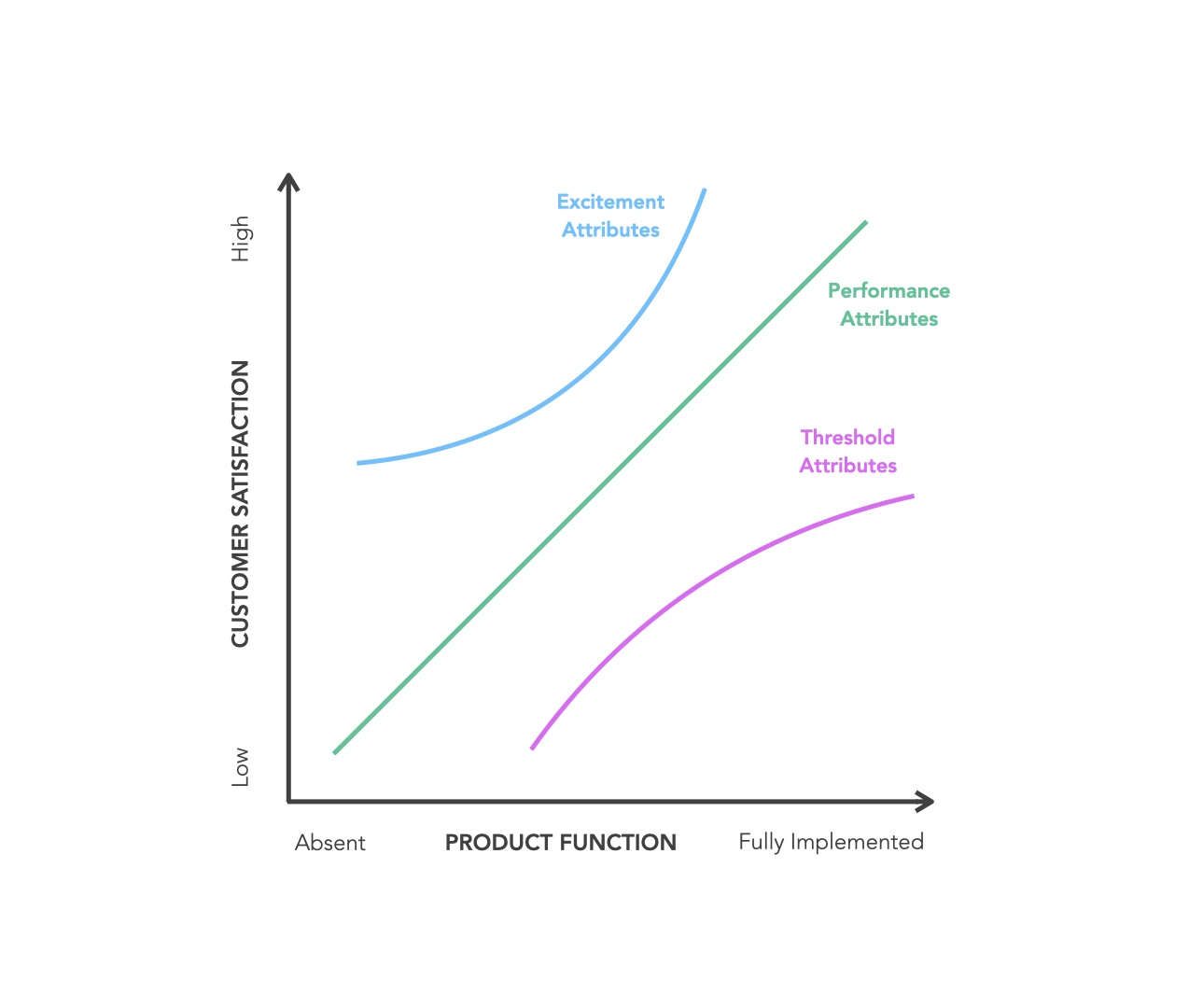
The Kano Model
This model suggests that products in their very design, but also in their marketing, need to push beyond the basics. Those basics are described as threshold attributes, which are table stakes to buy, and performance-based attributes, which may be valued features. In order to elicit a high level of product satisfaction, there needs to be a level of excitement to the product function.